
Let’s start off real for a minute… Photography is NOT about me. Your birth experience is not about me. At 9 out of 10 of my sessions, we never even really need to talk about me. But for Birth, I’m about to be one of the people in the delivery room when your baby enters the world, and that’s something I would only trust someone I’m comfortable with to do.
On that note…
Birth photography is a little different from almost every other kind of photography I do.
There's no scheduled golden hour, no carefully chosen location, no guarantee that everyone will be camera-ready when I arrive. There's often a lot of waiting, a lot of movement, very little sleep, and then suddenly everything happens at once.
That unpredictability is actually a huge part of what makes birth photography so amazing.
If you're considering birth photography here in Fort Worth, Dallas, or somewhere around the DFW area, you're probably picturing the whole thing as one big question mark — how does this even work, how do I prepare, and what actually happens once I'm holding my baby for the first time?
So let's walk through it together, start to finish, the way it actually unfolds for most families I work with.
Getting the conversation started
How do I reach out and what do I need to know before I get on your schedule?
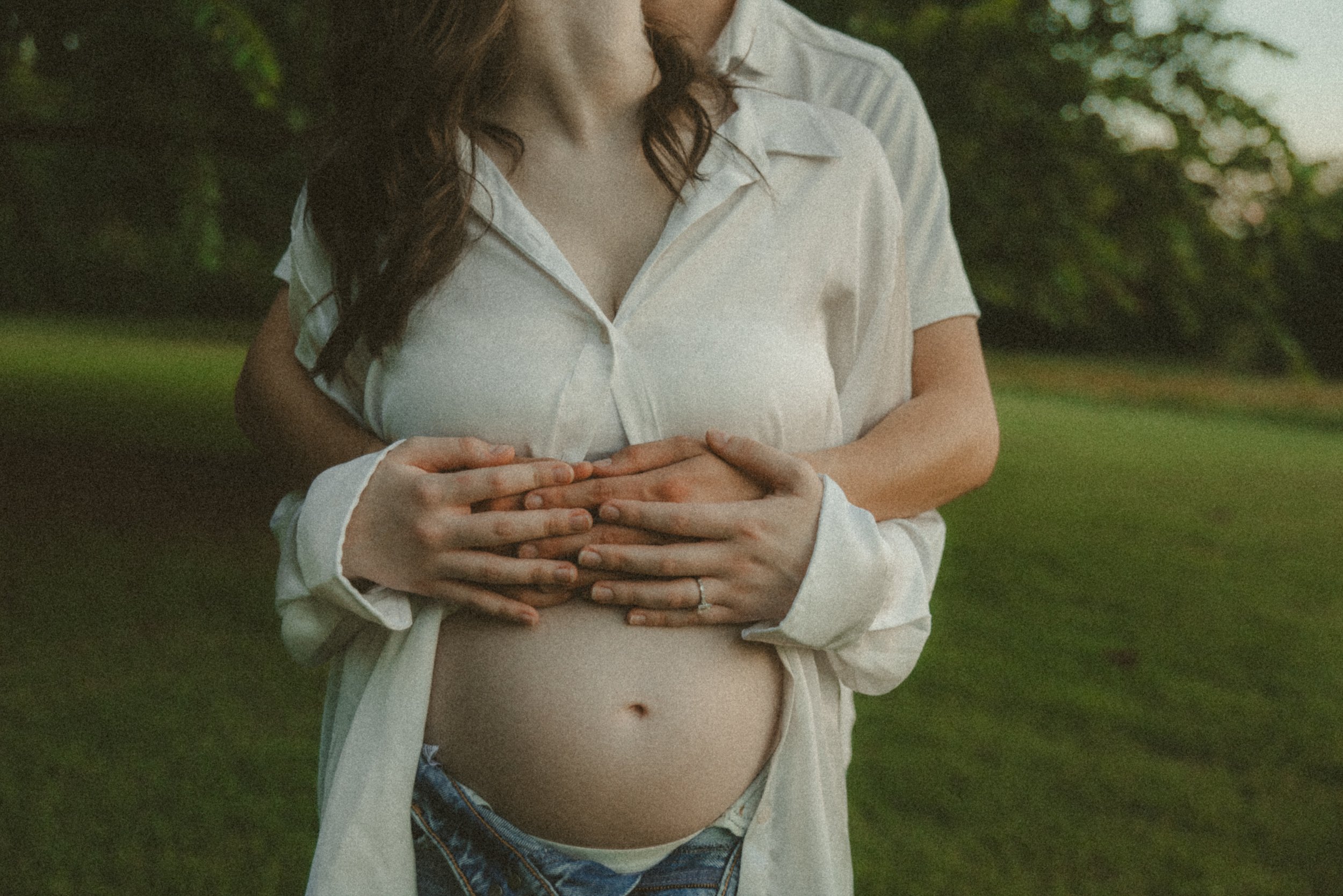
Most of the families I work with reach out around the 12-week mark, though you definitely don't need every detail figured out before you send that first message. You just need enough time for us to talk through the process, feel confident we're a good fit, and get your birth window reserved on my calendar.
If you've already booked a maternity or pregnancy announcement session with me, this conversation tends to happen pretty naturally as an extension of that relationship. It’s almost better if we have a whole session first, or meet for breakfast or brunch before you go into labor, so we can meet and chat about your questions or hopes for your session.
Booking birth coverage works a little differently than booking a regular portrait session. Instead of reserving one specific afternoon, I'm holding a window of my calendar open around your due date so I'm ready the moment your baby decides to make their entrance. The earlier we get that conversation going, the more room we have to plan everything without anyone feeling rushed.
And you don't need a finalized birth plan before reaching out, either. Plans shift. Babies have their own timeline in mind, regardless of what the calendar says. What matters most right now is simply opening the door to the conversation.
Once we connect, we'll spend some time talking through what you're hoping for. Maybe you want the entire experience documented from start to finish. Maybe you're drawn more to the quiet moments surrounding the birth — the partner in the corner, the older sibling meeting the baby for the first time, the small details in those first few hours. We'll cover your due date, where you're planning to give birth, the shape of your birth plan, and how my on-call availability actually functions day to day.
None of this turns into a rigid shot list. It's really about me understanding what matters to you deeply enough that I can recognize those moments quietly, without needing to be told in the moment.
Talking through your birth plan — and your photography preferences
How do we decide what I do—and don't—want photographed?
If you've already put together a medical birth plan, feel free to share whichever parts feel relevant to photography. Knowing your preferences gives me a much clearer picture of the space I'm stepping into and the boundaries you want respected once I'm there.
I will 100% specifically need to know a few things:
The location of your planned delivery (at home, birthing center or hospital) - this may change and that’s totally fine.
Whether or not you plan to deliver naturally, are being induced or are planning a c-section.
I'm also curious about things that typically don't show up on a medical birth plan at all. Is there someone specific you want photographed? Are there particular moments you know you want captured, no matter what? Are there things you'd rather I skip entirely? Do you want images throughout labor itself, or would you prefer I focus my attention more on the birth and the hours right after? What about the first latch, the placenta, your partner's reaction the instant they see the baby — are those things you want documented, or would you rather I leave them out?
This is simple things like “my husband is going to cut the cord and I want that photographed” to more complex things like “please don’t photograph down there, take the birth pics from another angle”.
Some of these images can feel pretty vulnerable, even graphic, and there's genuinely no universal right answer here. Your comfort level shapes the whole gallery, not mine.
We'll also talk through the flip side — the shots you're hoping for. Families often mention things like a partner supporting them through contractions, hands intertwined, the reactions rippling through the room, the exact second the baby arrives, those first shaky breaths, the moment you finally see your baby's face, skin-to-skin contact, the first feeding, newborn measurements, siblings meeting the newest member of the family, or the quieter stretch once the room finally settles.
Whatever combination of those feels right to you, that's the one we build toward. And if something shifts once you're actually in the moment, you can always let me know — nothing here is locked in stone.
Settling into the on-call window
How much should we be communicating at the end of your pregnancy?
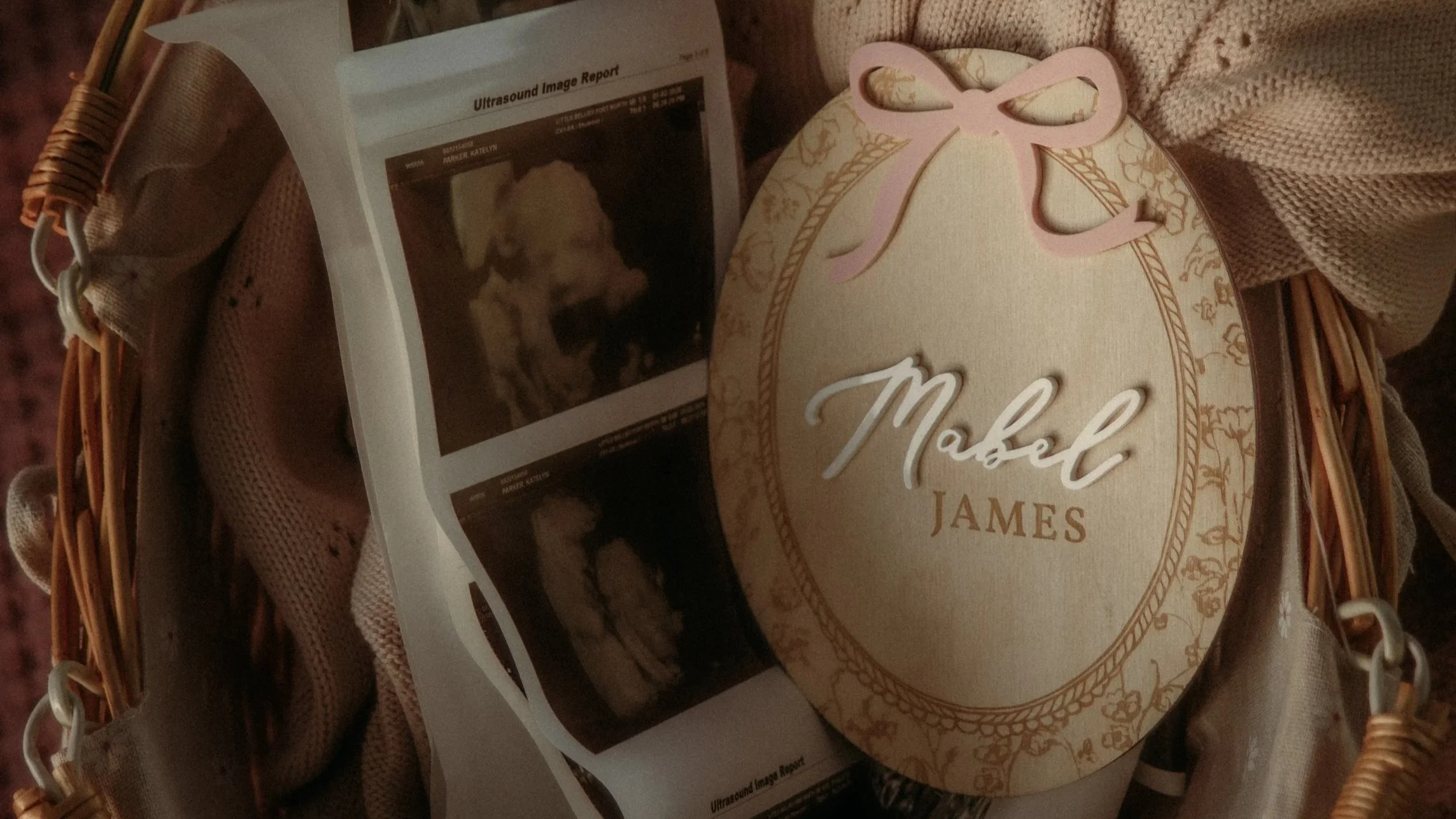
Around 37 weeks, I move into what I call my on-call window. From that point forward, I'm watching my calendar closely and staying prepared to be available the second things start moving for you.
I put you and your partner/birth professional’s contact info onto my emergency call list and leave my volume all the way up and I will be asking you for regular updates from around the 37 week mark. Not in an annoying way - I just check in with you to see what doctors are saying and to make sure everything is looking like it should, ask about possible changes to your birth plan (like perhaps a scheduled induction or anything you may be worried about).
Birth rarely happens on a convenient schedule. It might start on a quiet Tuesday morning, or in the middle of the night, or several days past your due date with everyone checking their phones constantly. Once we're inside that on-call period, I'm paying much closer attention to updates from you and keeping my own schedule loose around your due date.
That doesn't mean you need to text me at the very first twinge of a contraction. We'll map out exactly what communication should look like well before labor begins, so neither of us is guessing in the moment.
Your birth history plays into this planning too. A first labor can look wildly different from a fourth one, and some people simply progress faster than others. If you've given birth before, we'll talk through what those experiences were like, and if your provider has mentioned that you tend to move quickly, that's genuinely useful information for me to have. To be clear, I'm never making medical calls or telling you when to head to the hospital — that decision always belongs to you and your care team. I'm just using what you share with me to gauge when I might need to start heading your way.
I’ve photographed one particuar mama twice now - her first birth and her second baby. Wildly different experiences for her. She knows who she is. Her first took his time arriving, stayed in mama’s belly until close to 42 weeks, and came after an all-day slow labor at the birthing center. Her second was supposed to be a home birth, but he decided to come between 35 and 36 weeks, so she birthed him in the hospital, laboring for I think around an hour, even though her water broke much earlier the day before. I made it to the hospital about 20 minutes before he arrived. Both babies were beautiful.
The goal of all this planning is simple: by the time labor actually starts, we already have a shared understanding of how communication will flow, so you're not stopping mid-contraction to figure out whether it's "too early" to text me.
When I actually show up
When should we call you to tell you it’s time to come start taking photographs?
Your medical provider's guidance always comes first when it comes to deciding when to call your care team or head to your birth location — that part is never up to me. From a photography standpoint, though, I want to hear from you once things start feeling like the real thing, rather than at the very first sign of early contractions.
If you've had quick labors before, this becomes even more important, since we may be working with a much shorter window than usual.
Please don't worry about bothering me with updates along the way. I'd genuinely rather hear a little too much than find out later that everything moved fast and you spent precious time debating whether to reach out.
Once I do arrive, my coverage includes a four-hour window, which gives us plenty of room to document labor and the birth itself without treating your baby's arrival like something on a stopwatch. Every birth uses that time differently. Sometimes there's a long stretch of quiet labor followed by a sudden rush of activity. Sometimes the birth happens fairly quickly after I get there, leaving more time afterward for those first tender moments. Occasionally, some of the most meaningful photographs happen well before the baby even arrives.
That built-in window lets me settle into the space and photograph things as they naturally unfold, instead of walking in and immediately trying to force a moment. If your labor stretches beyond the included coverage, that's when additional time may affect pricing.
Anything past 4 hours is billed at a rate of $125* per hour or partial hour.
I'll always talk with you about that directly rather than letting you discover a surprise charge afterward. My goal is for the whole experience to feel calm and transparent, especially while you're focused on something infinitely more important than watching a clock.
It’s super important you know that my goal is never to arrive too early. Ideally I would love to be there right before you transition from active labor to the pushing stage, document baby being born, take the detail shots and photograph a little bit of golden hour, and then get out of your hair entirely. If labor is progressing too slowly, I will let you know I’m going to step out or head home for a few hours to try to avoid going over time, unless you just prefer for me to stay. I think typically I get it right when we chat about when I should arrive, in most cases, though.
(*As of September 2026 - prices are subject to change and may vary at the time of your booking. Please consult your contract or price sheet for exact rates prior to booking).
How I actually work in the room
Will you be trying to tell me how to sit while I’m having contractions?
Yeah, no! That sounds like a nightmare. If a photographer ever does that to you please let that be your sign to cut them loose!
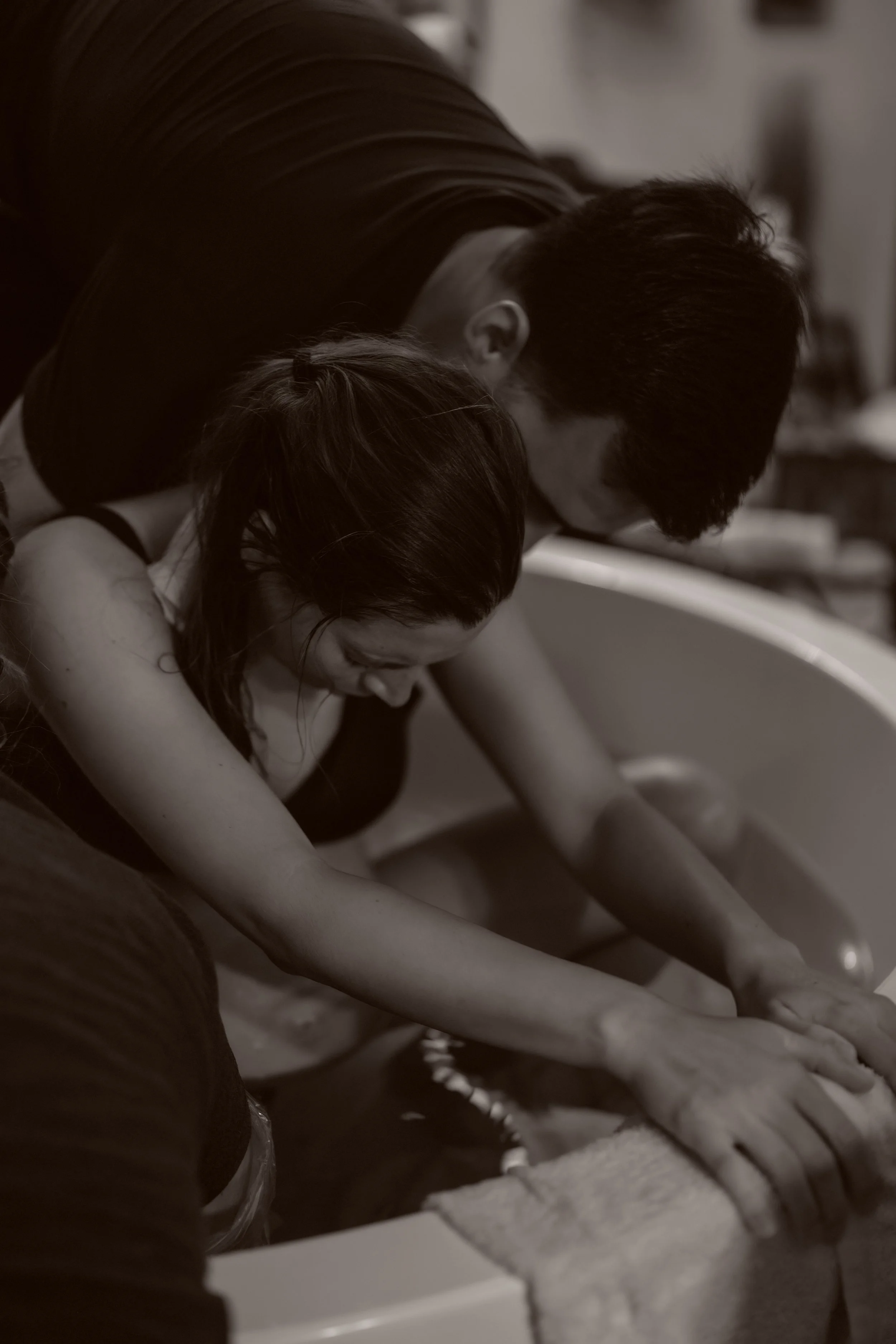
Once I'm there, I'm essentially a fly on the wall — present, but never directing.
Birth photography is documentary work, which means there's no posing involved. I'm not going to ask you to pause because the light looks better from another angle. I'm not recreating an emotional moment for the camera, and I'm certainly not interrupting a contraction so everyone can look my way.
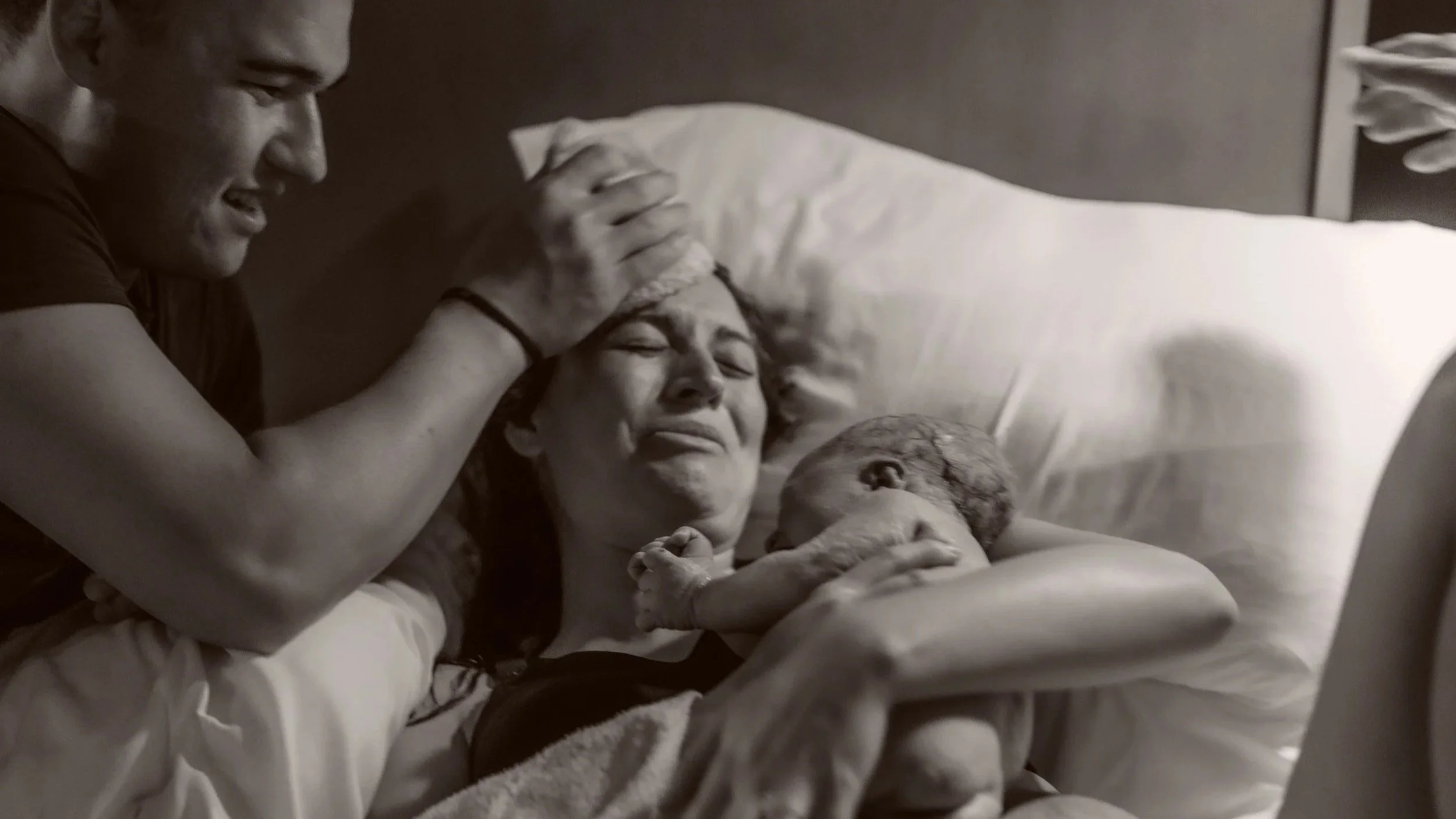
Instead, I'm watching. I notice the way your partner reaches for your hand without even thinking about it. The way someone quietly straightens a blanket. The exact expression on your face the second you hear your baby cry for the first time. I watch the room go from calm, to suddenly very busy, to eventually very quiet again.
It’s my job to move around the room switching positions, interact with medical staff, and get the best angles for your experience. Your only job is to have the experience. — observation is really the heart of the work. There's no "look here and smile" in this kind of photography. There's just what's actually happening, as it happens.
I also try to stay quiet and out of the way as much as possible, because birth is such a personal experience and the last thing I want is for you to suddenly feel like you're performing because there's a camera nearby. Sometimes I'm right beside you, sometimes I'm across the room, sometimes I'm simply waiting. And often, I'm photographing tiny details — a hand, a monitor, a folded blanket, shoes kicked off under the bed, essential oils, your playlist if it’s open on your phone — while everyone else's attention is fixed on the bigger moment. That's part of what gives the final gallery its texture: not just the milestones, but everything happening quietly around them.
The first hours afterward
Will you leave right after the baby is born?
My coverage doesn't end the instant your baby is born — I stay through the portion of the experience we've planned together, which almost always includes those first quiet moments as a family.
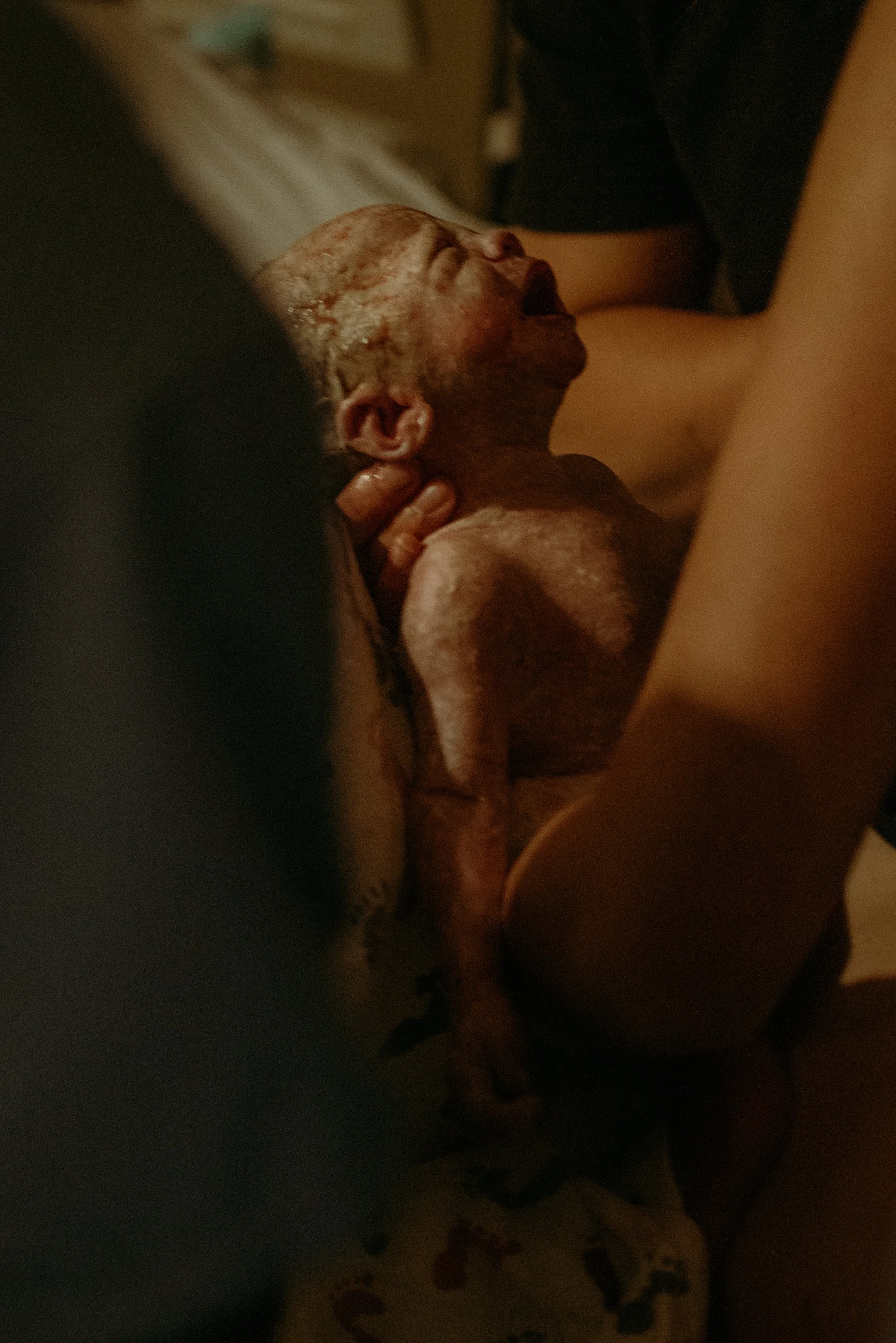
The energy in the room usually shifts pretty dramatically right after birth. Everyone exhales. Your baby lands on your chest for the first time. Your partner leans in for a closer look. The medical team finishes up whatever they need to do. Someone might slip out to call a family member. Slowly, the whole room settles into something calmer.
Honestly, this stretch often produces some of my favorite images from the entire birth — the very first time you really look at your baby's face, your partner's hand wrapped around a tiny foot, those wrinkled newborn hands, skin-to-skin contact, a family member meeting the newest addition, and finally, the room after everyone's had a chance to breathe.
If things don't go the way you pictured
What happens when the plan changes last minute?
Plans shift constantly during birth, and none of that changes my job or the honesty of your gallery.
A planned vaginal delivery might turn into a cesarean. An induction might stretch on far longer than expected. Your baby might arrive earlier or later than anyone anticipated. Once you're actually in the room, things can change course quickly.
I'm not there to evaluate whether the birth matched some original plan. I'm there to document whatever genuinely happened. We'll go over any specific considerations that might affect photography ahead of time, and I always defer to the instructions and boundaries set by your medical team, no exceptions.
Honestly, this is something we talk about before you even book, just as a precaution - what do you want photographed if everything turns on it’s head? It’s part of why birth is priced the way it is, since there’s really no guarantee of anything going to plan, but it’s also one of the most beautiful things to photograph, because it’s real and it’s emotional and it’s messy and chaotic and that can be so incredibly, stunningly raw and powerful.
What happens once the coverage wraps up
Translation: When will I see some photographs?
The first thing you will receive is a sneak peek - within 24-48 hours of your birth.
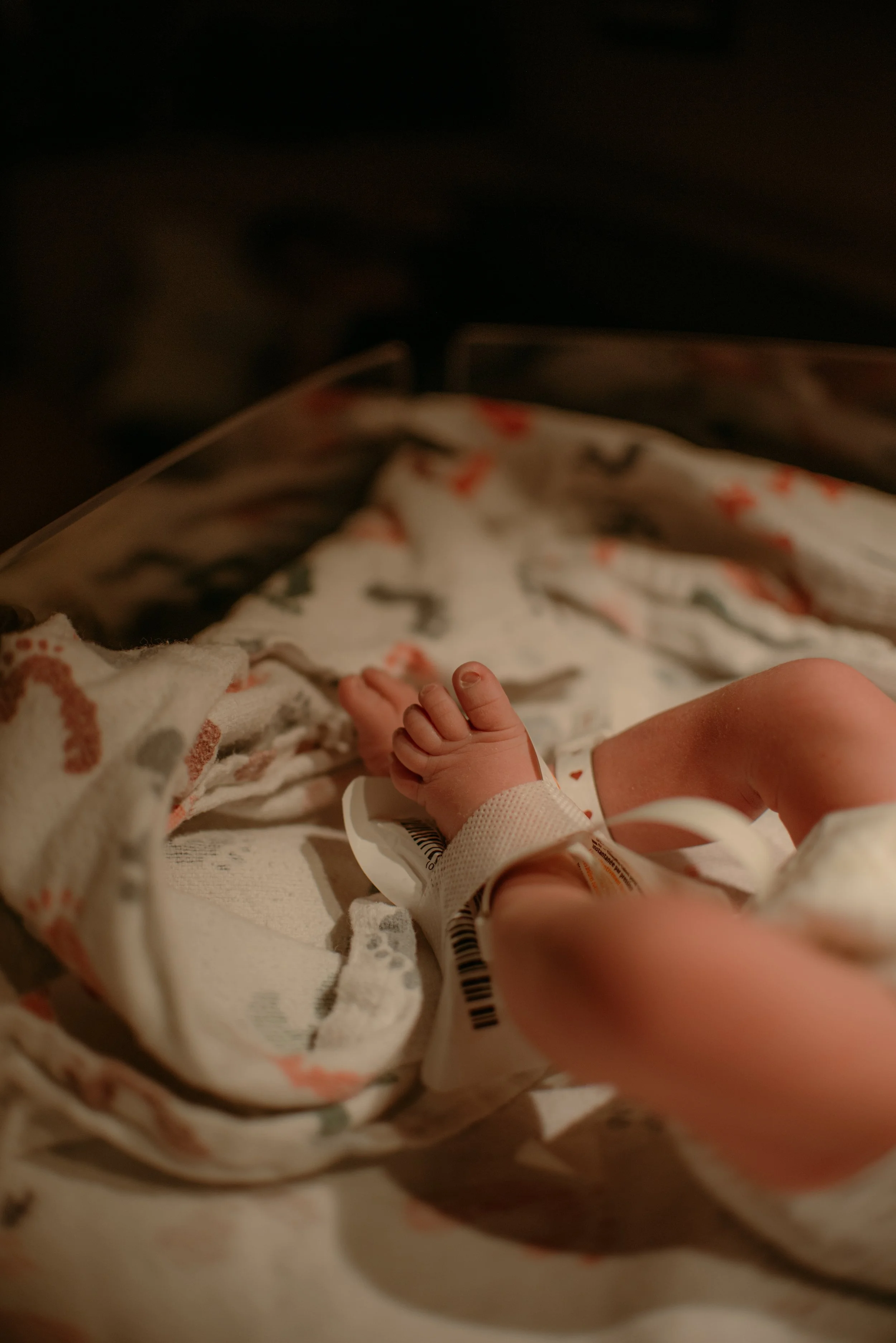
After your birth, I go through the images carefully and edit down to the ones that actually tell the story of your experience — from the quieter early moments, through the birth itself, into those first hours with your baby.
A birth gallery is never simply every frame I captured. There can easily be hundreds of images from a single birth, including duplicates, in-between transitions, test shots, and photos that don't add anything meaningful to the overall story. I curate the final collection with intention, looking for the images that work together to give you a real sense of the people, the atmosphere, the emotion, the small details, and the way the day actually progressed.
The point was never just to show you what happened. It's to give you a way back into how it felt.
You'll get a sneak peek before the full gallery is finished, since those early images tend to feel especially meaningful while everything's still so fresh. Depending on the specifics of your birth and my editing schedule, I'll pull a small handful of photographs to share first, then take the time needed to finish the complete collection properly.
Receiving your gallery
Do you post my gallery anywhere online?
Once everything's ready, you'll get your finished photographs either through an online gallery or a digital drive, depending on which delivery option you choose. An online gallery makes it simple to view your images, share them with the people you love, and revisit the collection whenever you want without keeping track of a separate device. A digital drive gives you another way to download and store everything long-term. You’re also welcome to choose the option of a print-only gallery, which varies in all shapes and sizes, and will require a viewing appointment.
We'll walk through the available delivery options together when you book, so there aren't any surprises waiting for you once your baby arrives. Whichever route you choose, I always recommend keeping more than one backup of your birth photographs — these images capture such a specific point in your family's history, and digital files are much safer when they don't live in only one place.
Your privacy always comes first
Do I post images of your birth on socials or my website?
NO!!! Never without your consent. And I will ask you very pointedly for your consent if you are offering it.
I also refuse to post anything that would be considered “insppropriate” without the presence of a baby (so, down there, booties and bare boobs).
Birth involves some genuinely intimate, vulnerable moments, and I never assume that everything in your gallery is something you'd want shared publicly.
Before your birth, we'll talk through your privacy and image-sharing preferences directly. You get to decide what feels right — maybe you're comfortable with certain images being shared while keeping the more intimate ones completely private, or maybe you'd rather your birth photographs stay off social media and my website entirely. There's no wrong answer here. I firmly believe the people in these photographs should have the final say in where those photographs live.
A personal note about birth photography
Here’s my references…
I’ve birthed two babies, and I’ve had a D&E at 25 weeks for a baby girl we lost at 25 weeks gestation. The experiences were nothing alike.
They were not photographed. I’ll be honest…. they maybe could have been, but they weren’t, and I don’t remember either experience in as much detail as I would have liked or even thought I would.
The D&E was a full surgery. I was asleep. I remember waking up and feeling numb. It was horrible. I didn’t know how life could go on after that. Don’t look at the results of a D&E if they upload your medical notes or chart to an online portal, btw. Her loss was unexplainable.
I remember for my first baby, then, a girl, I was induced at 39 weeks. I had a condition called Polyhydramnios, which meant I had a TON of extra amniotic fluid, and they were worried about my oldest coming down and pinching her umbillical cord. They blamed Gestational Diabetes, so that also meant I couldn’t eat anything while in the hospital, except for in the morning when my blood sugar was low.
The first 12 hours of that labor was mild contractions. They broke my water, the second 12 hours was semi-painful. I had an epidural, I couldn’t walk afterwards. She came after 2 hours of pushing. I threw up for those entire 2 hours, pulling my knees into my chest at the direction of a medical professional, and then someone told me the bed had handles, and I was finally able to push through and stopped throwing up.
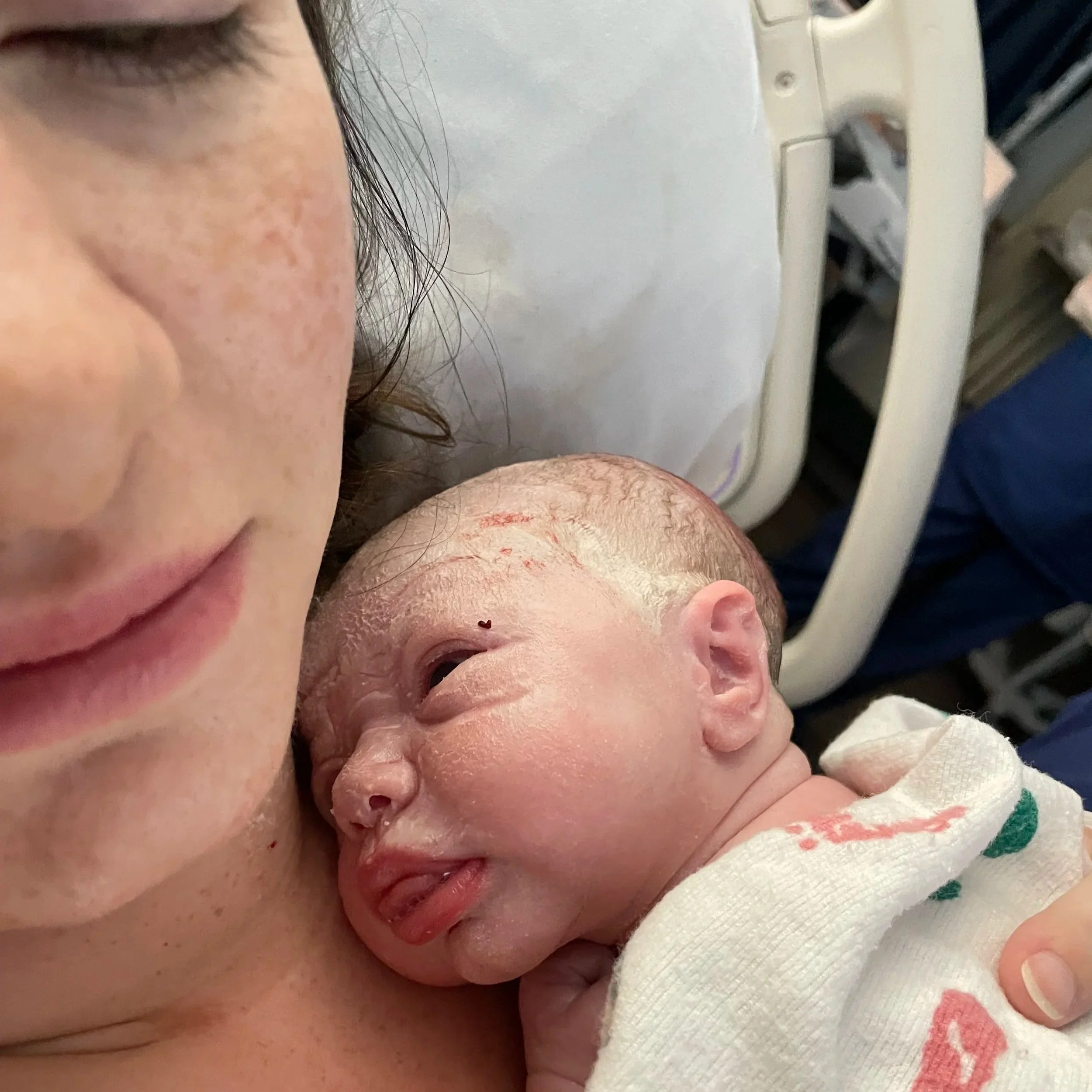
That’s what I remember most vividly. The puke. Not the contractions, not the water breaking, not the feeling of holding my baby for the first time and the relief that came with it because of what had happened on my first pregnancy. I remember throwing up. And I don’t have a way to remember it differently.
I think this might be a selfie. It’s definitely an iphone shot.
My second baby was hilarious. He kept turning himself sideways. We’re not sure if I was diabetic (we’re pretty sure I was) and the doc didn’t think I had any extra fluid, so we’ll never know how he was turning himself. This pregnancy was harder, because my insurance lapsed right in the middle of it and I struggled to find a replacement insurance, and then it was basically too late for me to switch care becuase nobody will take a mom in her second or third trimester, for some reason.
Anyways… insurance aside, I went to the hospital around 39 weeks thinking I was feeling contractions or maybe prodromal labor, and the doc told me my little guy was sideways and measuring at 10.5lbs. So we opted for a C-Section. Same day! No time for me to prep for it! Called my husband, my daughter was with her grandparents. Had the baby that day. He was 9lbs, 7oz.
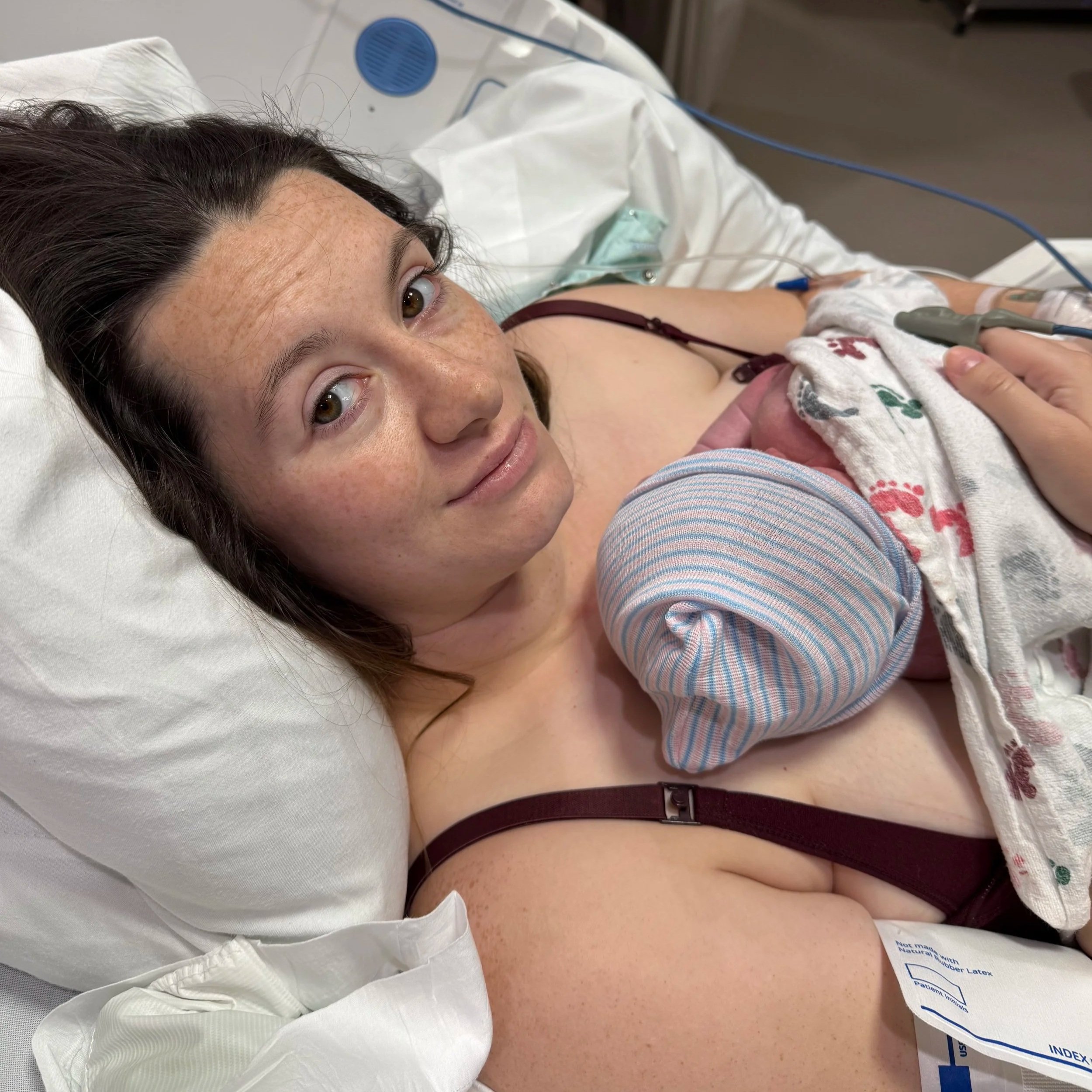
Anyways… insurance aside, I went to the hospital around 39 weeks thinking I was feeling contractions or maybe prodromal labor, and the doc told me my little guy was sideways and measuring at 10.5lbs. So we opted for a C-Section. Same day! No time for me to prep for it! Called my husband, my daughter was with her grandparents. Had the baby that day. He was 9lbs, 7oz.
Again with the iphone… see how these are not as beautiful as they could have been with a real camera?
Someone took a picture in the operating room after my son was born. Angles matter in the operating room. Lol.
I’m not saying all of this to scare anyone, or to present myself as an expert. All I’m saying is that experience matters. I wouldn’t trust someone who never experienced and of it to understand how I might be feeling. I would want another woman who understands that I don’t want to be asked questions or give direction, that I’m frustrated but maybe not in pain, that I’m tired, but not the same kind of tired as my husband who was just an observer.
Deciding if this is right for you
Is birth photography right for you?
If what you want is an honest visual record of your experience — without feeling like you have to perform for a camera in the middle of it — documentary-style birth photography might be exactly the fit you're looking for.
You don't need to already know which photographs you want. You don't need a flawless birth plan. You certainly don't need to know how your labor is going to unfold, because none of us do until it happens.
What you need is simply the sense that this particular season of your life is worth documenting.
For me, this work is really about stepping carefully into someone else's story. I'm there to watch, to listen, to anticipate, and to photograph whatever's actually unfolding in front of me — sometimes the raw intensity of labor, sometimes the way your partner looks at you in a quiet moment, sometimes a nurse adjusting a blanket, sometimes a baby's very first yawn, sometimes just the stillness of a room after everyone's finally exhaled.
Those small things are so easy to miss when you're the one living through the experience. That's exactly why I'm there — not to shape how the birth looks, but to make sure you're not left relying entirely on memory to bring it all back.
If you're considering birth photography anywhere around Fort Worth, Dallas, or the greater DFW area, reach out around that 12-week mark, or really, whenever you know you want these moments held onto. And if we're already working together on a maternity or pregnancy announcement session, we can pick up this conversation right there.
Suggested Internal Links
Birth Photography / Birth Photography Investment page — link this wherever you first introduce your birth photography process or coverage.
Fort Worth Maternity Photography — especially useful in the section about when to book and transitioning from maternity to birth photography.
Newborn Lifestyle Photography — a natural next step after discussing the first hours following birth.
In-Home Lifestyle Family Photography — useful for readers who love the documentary approach but aren't looking for birth coverage.
Pregnancy Announcement Photography — particularly relevant to the section about beginning the birth photography conversation after an announcement session.
